The ancient coastal metropolis of Nora spans the narrow promontory of Capo Pula, roughly 40 kilometers southwest of Cagliari. Flanked by two natural bays, the site was an unparalleled strategic maritime hub in antiquity: regardless of wind direction, vessels could always anchor securely in at least one sheltered harbor.
Initially inhabited by indigenous Nuragic clans, Phoenician navigators established Nora around the 8th century BC as their first permanent trading outpost on the island. In 1773, the famous Nora Stone (Stele di Nora) was unearthed here—a Phoenician monumental inscription dating to the 9th or 8th century BC containing the earliest written attestation of the name of Sardinia (Shrdn).
Following Carthaginian rule, Rome captured the city in 238 BC. Under Roman governance, Nora rose to the status of municipium and served as the initial provincial capital. From this golden imperial era survive the coastal theater, three lavish thermal bath complexes adorned with intricate mosaics, and paved colonnaded avenues bearing deep ruts from ancient wagons. After centuries of Vandal raids and Saracen pirate assaults, the inhabitants finally abandoned the vulnerable coastline in the 8th century AD, moving inland to establish modern Pula.
Visiting Nora by public bus involves a 50-minute ride to Pula followed by an exposed 2 km walk in intense summer heat. Guided tours from Cagliari eliminate transport friction: they include air-conditioned minivan transfers, scenic flamingo photo stops at Santa Gilla Lagoon, and licensed archaeological guides who bring the stones to life.
This top-rated excursion travels southwest along the panoramic coastal route from Cagliari. Stop along the expansive Santa Gilla Lagoon to observe wild pink flamingo colonies in their natural habitat. Next, visit the coastal Romanesque sanctuary of Sant'Efisio before enjoying an in-depth archaeological tour through Nora's theater, baths, and mosaic villas led by an expert guide.
The perfect blend of ancient heritage and authentic Sardinian small-town charm: Following a comprehensive guided walk through the temples and waterfront theater of Nora, your guide takes you to the historic center of Pula. Enjoy leisure time to stroll around Piazza del Popolo, taste artisanal gelato, or browse local artisan boutiques and Sardinian gourmet specialties.
Nora's crown jewel is the only surviving ancient theater in Sardinia directly on the sea surf. Constructed in the late 2nd century AD, it accommodated up to 1,000 spectators. Notably, large terracotta jars (dolia) were built beneath the stage floor (pulpitum) to serve as acoustic resonators. The semi-circular tiered seating (cavea) looks straight out onto the turquoise Mediterranean—every summer, the theater hosts the prestigious poetry and performing arts festival La Notte dei Poeti.
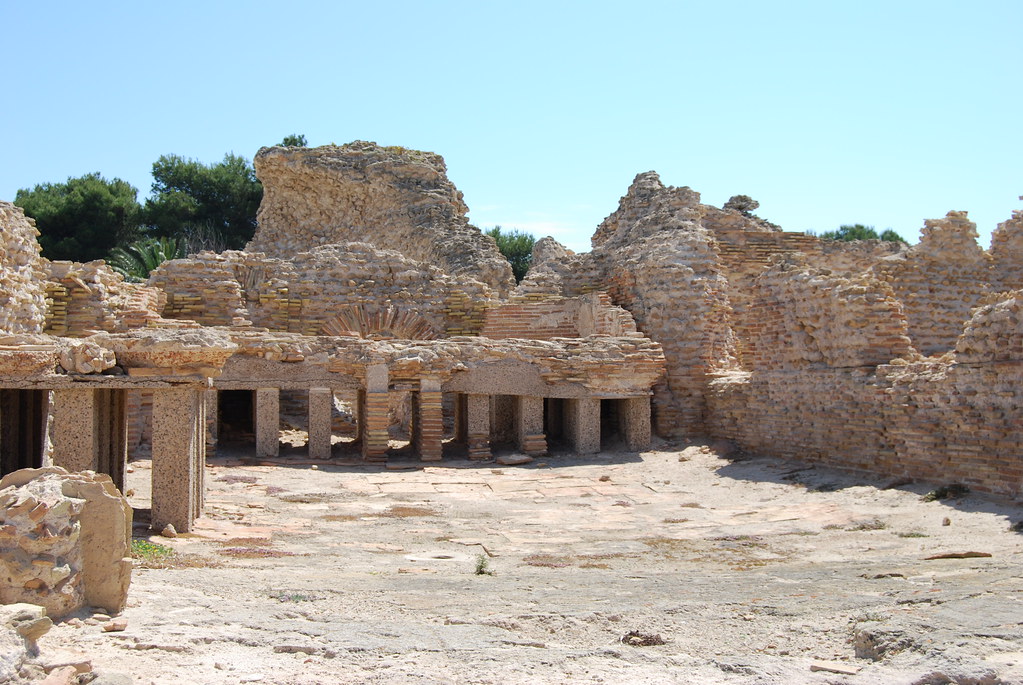
Three distinct thermal complexes demonstrate Roman engineering prowess: the Terme a Mare, Central Baths, and Eastern Baths. Hypocaust underfloor heating channels remain clearly visible. Adjacent lies the aristocratic Casa dell'Atrio Tetrastilo: its polychrome geometric mosaics feature maritime braids, dolphins, and sea creatures that remain exceptionally vivid despite centuries of salt air exposure.
Perched on the highest rocky spur of the peninsula, the sanctuary dedicated to Tanit—the Carthaginian sky and fertility goddess—was where sailors offered prayers before embarking on perilous Mediterranean crossings. The elevated promontory delivers sweeping 360-degree vistas across the entire Gulf of Cagliari and the 16th-century Spanish coastal defense tower Torre del Coltellazzo.
The Roman Forum formed the civic and commercial center of the colony. Wide roadways paved with heavy stone slabs connect the quays with the marketplace; deep parallel cart ruts testify to centuries of olive oil, grain, and mineral trade. On the northwest shore sits the Tophet, an open-air sacred precinct where hundreds of funerary urns and votive stelae from the Carthaginian era were discovered.
Geological subsidence over the millennia has submerged a significant portion of Nora's original Phoenician port installations beneath the sea. On clear, calm days, ancient quays, breakwaters, and quarry cuttings are visible 1 to 3 meters below the water's surface right from coastal pathways, offering a fascinating site for snorkelers.
Tickets for individual travelers can be purchased directly at the on-site ticket office or online via the official municipal portal (Fondazione Pula Cultura Diffusa). For detailed archaeological maps, special tours, and real-time opening hours, consult the specialized visitor portal ruinsofnora.site.
| Ticket Option | Tariff (EUR & USD) | Access Scope & Terms |
|---|---|---|
| Nora Excavations Adult | €10 (~$11) | Standard single entry to the archaeological excavations. |
| Nora Excavations Reduced | €6 (~$7) | Children and youths (ages 6–17) and university students with ID. |
| Combined History Pass (Pula Pass) | €18 (~$19) | Access to Nora Ruins, Giovanni Patroni Museum & Spanish Tower. |
| Nora + Conti Vecchi Salt Pans | €17 (~$19) | Joint entry for the ruins and the FAI Macchiareddu salt pans. |
| Children under 6 / Disabled Visitors | Free (€0) | Children under 6 and visitors with disabilities including companion. |
Depart Cagliari southwest on the SS 195 Sulcitana highway toward Pula (drive time approx. 40 to 45 minutes, 38 km). At Pula, follow the signs for Nora / Zona Archeologica, turning left down the cypress-lined avenue to the sea. Ample shaded parking is available at Parcheggio Nora: summer parking fees are approximately €2/hour or €6 for a full-day ticket (pay at automated ticket machines using coins or the EasyPark app).
Regional ARST buses (Line 129) depart regularly from Cagliari's central bus terminal at Piazza Matteotti (adjacent to the central train station). The journey to the Pula Piazza Bastione bus stop takes roughly 50 minutes and costs €2.50 to €3.50 one-way (purchase tickets beforehand at tobacco shops, ticket counters, or in the DropTicket app).
Important Walking Note: The bus drop-off point in Pula is located approximately 2 kilometers from the excavations. While a local shuttle bus runs in July and August, off-season visitors must walk 25 minutes down Viale Nora. Travelers wishing to avoid the summer trek will find an organized day tour from Cagliari far more comfortable.
The archaeological grounds offer virtually no shade. Ancient stone radiates heat rapidly in summer. Sun hats, UV sunglasses, and SPF 50+ sunscreen are mandatory.
Ancient basalt Roman paving is worn slick by the sea and uneven throughout. Flip-flops, sandals, and smooth-soled shoes pose serious slipping hazards.
Directly beside the entrance lies Spiaggia di Nora with fine golden sand and calm, crystalline shallows. Bring swimwear for a refreshing post-tour dip!
A welcoming shaded cafe and bistro operates at the entrance gate, offering authentic espresso, Sardinian panini, cold beverages, and clean restrooms.
You need approximately 1.5 to 2 hours to tour the ruins themselves. Plan roughly half a day (4 to 5 hours) if commuting from Cagliari to allow for the scenic drive, flamingo watching, and coffee in Pula.
Strongly recommended, especially for non-drivers. Information plaques on-site are minimal; certified guides explain the Punic myths, acoustic theater dolia, and maritime trade secrets while eliminating the bus-stop walking hassle.
Either early morning at 09:00 AM or late afternoon from 04:30 PM. This avoids peak midday heat and catches golden light illuminating the Roman mosaics against the sparkling sea.
Major main avenues are flattened gravel suitable for all-terrain strollers and assisted wheelchairs. Elevated viewpoints (like the Temple of Tanit) and sunken bath basins feature uneven stone stairs.
Small dogs on short leashes are generally admitted. In summer, note that sun-baked stone paving can burn paw pads, so bringing ample hydration and booties for your pet is advised.
Pair your discovery of Nora with other iconic highlights across southern Sardinia: